
Build, Buy or Borrow? The Tech Decision Publishers Keep Getting Wrong
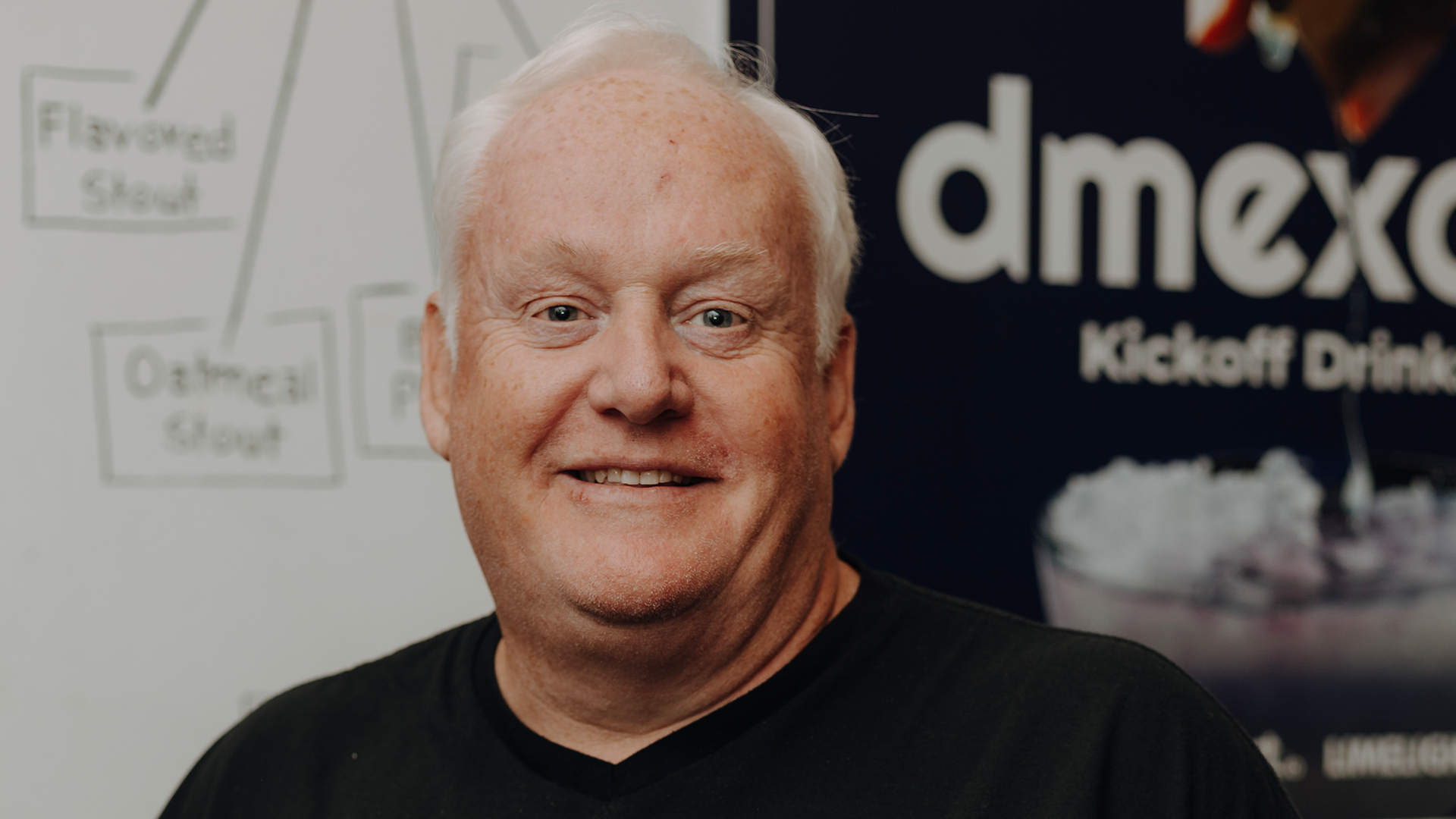
David Nelson, Co-founder and CEO, Limelight Inc., looks at the pros and cons of the different ways to deploy a programmatic trading platform
Unless they outsource the task to an SSP - not recommended - every publisher needs a platform on which to trade their inventory programmatically. The challenge they face is whether to build their own, buy one made by a tech vendor, or “borrow”/lease a platform built by someone else, that they can access on a SaaS (Software as a Service) basis.
Each has its pros and cons. Build your own platform and you have ultimate control over what it can do, as well as the ability to update its capabilities in line with changing business needs and market trends. But building your own is also a long, slow, expensive process, not for the faint-hearted. In fact, it’s almost exclusively the reserve of bigger companies with the technical skills needed to build a trading platform in-house, or the deep pockets needed to support the development work.
Buying an off-the-shelf platform often looks like an attractive alternative. The development work is done, the vendor has use-cases of other companies that have successfully deployed the platform, and you can be up and running in a matter of weeks, if not days. But there are drawbacks too. When you buy a tech platform, it’s yours forever, and if it stops being able to do the things you need it to do, or can’t evolve in line with your changing needs, you’re stuck with it until you bite the bullet and rip and replace, usually at great cost.
Borrow your way to success
This is why the borrowing (SaaS) pathway has become so popular. Someone else develops the platform, you pay for access to it, and if you become unhappy with how it’s performing, you can get out the next time the licence renews, typically annually. Added to this, the company that developed the platform has a vested interest in keeping it fit for purpose, as they know that if they don’t, clients will vote with their feet and find another. In most instances, it’s the best solution for companies of all sizes.
But even this approach requires some caution, because borrowing can create hidden dependencies. The real risk is in committing to a path without understanding who benefits as the business grows. It is undoubtedly the best approach, so long as publishers understand how the tech they’ve licensed behaves, and whether its incentives are aligned with the publisher’s success or the vendor’s own commercial interests. In short, is the licensor more interested in your gains or theirs? These are the questions publishers need to ask.
When your supplier is also your competitor
Here are a few things to look out for when licensing sell-side programmatic technology from a tech vendor. The first is to satisfy yourself that their only interest is in licensing the tech - not in simply using it to get a front-row seat into your best-performing inventory, and then stealing it from under your nose.
Many tech vendors license technology while also trading media, enabling them to earn revenue twice: once from the fee they charge you, and then again, from the bid-spread they pocket when reselling inventory. Crucially, they don’t pay their own tech fee on those internal trades, which means they can resell your inventory at a lower price than you can, and still make more profit, thanks to the additional revenue they get from the licence fee you pay.
Secondly, ask yourself how much control does the licensed tech give you. If there’s one thing publishers need right now, it’s more control and more transparency. More data, more insight into the best demand sources, and more ability to experiment. When publishers have real control of their data, and the ability to analyse it – the sort of control offered by an independent white-label platform that steadfastly refuses to trade media and compete with its own clients – they retake control of their revenue streams.
They don’t just regain control of them; they actually retain more of the revenue too. Publishers who sell their inventory through SSPs reduce the value of that inventory, paying the ad tech tax levied by the SSP and all the other intermediaries who insert themselves into the bidstream. By dealing directly with DSPs via a white-label platform, publishers retain more revenue, and can see for themselves which demand sources perform best, and therefore which to focus on.
Automate to optimise
Automation is another key factor to consider. Programmatic trading happens 24/7. Optimisation shouldn’t stop because the guy that handles it is in bed. As one example, our platform - Limelight’s Adaptive Rules Centre - offers rules-based automation to continuously monitor and optimise supply and demand based on predefined KPIs. That enables you to instantly act on under- or over-performing inventory and demand, improving yield, without delays caused by human intervention.
It enables publishers to build and apply their own optimisation rules, aligning monetisation strategies with specific business objectives and inventory priorities. It gives them granular controls over things like QPS (Queries per Second) in order to ensure balanced demand allocation, preventing any single partner from dominating and protecting overall yield.
In deciding whether to build, buy or borrow a programmatic trading platform, borrowing almost always makes the most sense. Just ensure you do your due diligence on the company licensing the tech to satisfy yourself that they have your - not their - best interests at heart.