What will define Cannes Lions 2026? Adland’s top leaders have their say
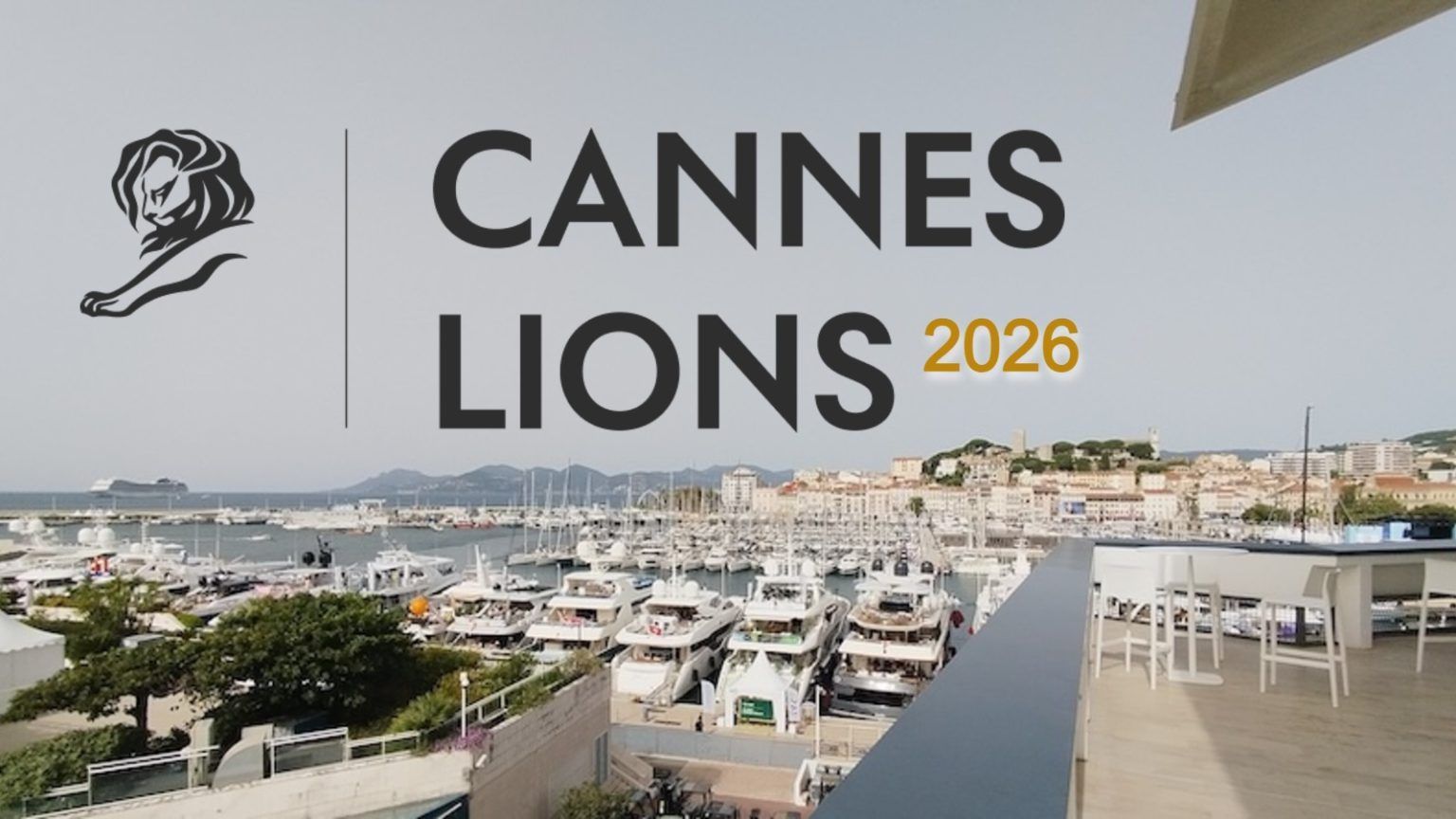
What will everyone be talking about at Cannes Lions this year?
As one huge global industry prepares to descend on the famous Croisette in just a few weeks time, we’ve been asking agency, media, adtech and marketing leaders to share the trends, challenges and opportunities they expect to dominate the conversation on the Cote d’Azur.
From AI and retail media to sustainability and publisher economics, here are the issues set to shape Cannes Lions 2026…
James Macdonald, co-Founder and CRO, Limelight
“As the industry decamps to Cannes, there will inevitably be a heavy focus on AI, and particularly the intersection of AI and creativity. Let’s remember the event’s official name after all – Cannes Lions International Festival of Creativity.
“Ironically though, even if most of the conversations are around AI, let’s also remember that they will only be happening because people still see value in engaging with other people, face-to-face.
“The biggest danger with AI is that we forget the human element. It’s something we keep front of mind at Limelight. AI informs – indeed, to a large extent, powers – our platform, but it’s the people at Limelight whom our clients say make the difference. Someone to run an idea by, to check out a theory, or just ask for help.
“I hope that, not just at Cannes, but as we go about our business before and after the event, we never lose sight of this.”
Richard Eccles, VP Global Partnerships, Jellyfish
“If last year’s Cannes was all about the progress of frontier models and the impact on marketing from a speed and scale perspective, I expect this year to be much more focused on operationalising AI, agentic workflows, and measuring the true incremental impact on businesses.
“I’m anticipating more talks around predicting and codifying creative performance, and creator-led comms moving from a tactic or “buy” to being a central part of business strategy – both more ingrained in creative strategy and as a commerce engine.
“Linked to this, I expect to see much more discussion around outcome-based remuneration models for both agencies and creators.”
Frederic Taillier, MD France, Spain & Nordics, impact.com
“This year at Cannes, I expect a massive shift in how we talk about creators and influencers, especially in the era of clickless search. “The days of users relying solely on SERP links are fading; trusted creators who heavily shape what Generative Engine Optimization (GEO) platforms surface are now central to any forward-thinking brand strategy.
“However, looking at markets like France, a major barrier remains. Advertisers want to work with creators, and creators want to promote brands, but they are trapped in a ‘Pandora’s box’ of fragmented, legacy technologies and services. “Let’s be honest: this isn’t rocket science; it is a complex, legacy ecosystem, protected by middlemen who benefit from a lack of transparency and competition. “We are here to break that silence and disrupt this ecosystem in favour of the people who actually matter: the influencers and the brands.
“At impact.com, we have already proven it’s possible, building ‘always-on’ programs that successfully scale to over 1,000 creators. “As attribution moves into AI and LLM recommendation systems, the goal isn’t to eliminate upfront fees entirely, but to stop paying inflated costs blindly. “By enabling direct, transparent, and secure relationships, we allow brands to make informed, outcome-based decisions, proving that creators are scalable, accountable, and true commerce partners built for the Answer Era.”
Alex Springer, Director, OpenAttribution
“I think the industry is grappling with the concept of influencing the new influencer – understanding how AI is influencing consumers, and what our role as marketers becomes if there is this new layer sitting between ourselves and our audience.
“I think we need to cut through the hype as well. I can find any number of people who are as excited about consumer-facing AI as we are all told we should be, because it offers some kind of shortcut to brand awareness and, ultimately, sales.
“But the reality is that the work is the same as ever. Understand the customer, understand your value, find compelling ways to connect.
“I’m keen to see if this is just my take on things, and if the hype machine that will undoubtedly show up in Cannes can convince me otherwise.”
Richard Ottoy, SVP of Sales EMEA, Assertive Yield
The conversation around pricing models has shifted dramatically heading into Cannes this year. Publishers are no longer just reacting to buyer pressure; they’re proactively rethinking how they structure and defend their inventory value. “The move toward more dynamic, data-informed pricing means that relying on static floor strategies is increasingly a liability. What we’re seeing on the ground is publishers asking harder questions: are my floors actually protecting yield, or are they leaving money on the table?
“Cannes will be a temperature check on how aligned buyers and sellers really are on what fair pricing looks like in 2026. It’s a conversation we’re very much looking forward to continuing on the ground.”
Jess Aylett, Head of Sales, UK & International, GumGum
“One of the biggest themes set to dominate conversations on the Croisette this year will be the industry’s shift from basic audience targeting to outcome-driven advertising. “As marketers continue to navigate a privacy-first landscape, there’s growing recognition that understanding mindset and context is becoming far more valuable than relying solely on identity signals.
“We’re also seeing increased pressure on the industry to prove effectiveness across every channel. Attention, measurement and business outcomes are no longer “nice to have” conversations – they’re becoming central to how media investment decisions are made. “This is particularly true within channels like CTV, where brands are looking for smarter ways to combine premium environments with stronger accountability and optimisation.
“AI will undoubtedly remain a huge talking point, but I think the most interesting conversations will focus less on AI for efficiency, and more on how it can improve relevance, creativity and performance in a meaningful way for consumers and brands alike.
“Ultimately, I think Cannes this year will reflect an industry looking to balance innovation with accountability – finding ways to drive measurable outcomes while still creating advertising that genuinely connects with people”.
Max von Weber, Founder and CEO, adnomaly
“Cannes is one of the rare moments in the year where the people who usually sit behind layers of meetings, calendars, and gatekeepers are suddenly approachable, and in a relaxed mood.
“The setting, with yachts, beach clubs, rooftops, a glass of rosé in hand, strips away a lot of the formality of regular industry conversations. Decision-makers who are normally guarded and time-pressured become open, curious, and genuinely willing to engage. “That shift in energy is what makes Cannes valuable for me. It’s not the panels or the awards – it’s the conversations that happen in between, the ones that actually move the industry (and deals) forward.
“For a company like adnomaly, that’s gold: the chance to have honest, unhurried discussions with the people shaping how media is bought, sold, and safeguarded.”
James Taylor, CEO and Founder, Particular Audience
“I expect a lot of conversation in Cannes around AI and retail media, and specifically, how AI is reshaping the commerce and retail media landscape. “It’s a conversation we will be unpacking with 50 retail media leaders at Particular Audience’s collaboration with IAB for the Cannes Retail Media Leadership Breakfast on the 23rd of June.
“AI is, of course, touching all aspects of marketing, all aspects of life, but it has the potential to revolutionise the retail media space, if retailers and brands build for it. For retailers, the prize is higher-margin yield and monetisation potential. “For advertisers, improved efficiency and validated ROAS through predictive targeting and automated campaign management. “And let’s not forget customers, who will benefit from greater relevance and utility. Product recommendations that match the intent they – or their agent – display when browsing a website.
“Ads that are relevant to what they searched for, rather than who bid most to take the slot. We’re not there yet, and the vast majority of retailers have a lot of work to do to prepare themselves for the era of agentic commerce, but the upside is too appealing for them to ignore.”
Read more about it and other industry leaders thoughts on Mediashotz, here.